Termites & WDI
Mud tubes, swarmers, damaged wood, moisture concerns and real-estate inspection needs deserve a closer look. MTB verifies termite treatment, prevention, monitoring and WDI inspections.
Termite Control →

Silver Spring • Montgomery County • Maryland
Residential and commercial pest control from Milton Brown Jr. and Milton Brown III, a father-and-son team with 50+ years of combined experience. Termites, rodents, roaches, ants, bed bugs, mosquitoes and more.
Start with the pest
Silver Spring properties range from detached homes and townhouses to dense apartment communities, restaurants, offices and mixed-use buildings. The treatment plan should follow the pest and the building, not a recycled checklist.
Mud tubes, swarmers, damaged wood, moisture concerns and real-estate inspection needs deserve a closer look. MTB verifies termite treatment, prevention, monitoring and WDI inspections.
Termite Control →Droppings, scratching, gnawing and repeated sightings can point to active entry routes or harborage. Inspect the building before assuming one trap is a complete rodent program.
Rodent Help →Roaches can reproduce around kitchens, appliances, drains, utilities, trash areas and shared multifamily spaces. Treatment should address breeding pressure and movement.
Cockroach Control →Kitchen trails and recurring exterior activity can continue when colonies and entry routes remain active. Correct identification helps determine the right treatment.
Ant Control →Dedicated inspection and treatment programs for homes, apartments, hotels, offices and other occupied properties where people and belongings move between spaces.
Bed Bug Control →Seasonal mosquito reduction plus selected spiders, stinging insects, wildlife and specialty pest services where appropriate for the property.
Mosquito Control →Residential pest control
Silver Spring's broader mailing area includes older detached homes, townhouses, condos, apartments, basements, crawl spaces, mature landscaping and properties near parks and stream valleys. Those conditions create different entry points and pest pressures from one block to the next.
Older construction can have foundation gaps, utility penetrations, basement moisture, attic openings and worn door seals. Attached and multifamily housing adds shared walls, plumbing chases, trash handling, common areas and movement between units. Heavily landscaped properties may see more seasonal ants, mosquitoes, spiders, termites or wildlife around the exterior.
MTB can inspect where activity occurs, look for evidence and likely entry points, and consider moisture, food, storage, landscaping and structural conditions before recommending treatment.
Some problems may be handled with one-time service. Others benefit from follow-up, monitoring, exclusion or recurring protection. For children and pets, follow the technician's preparation and re-entry instructions for the specific treatment.
One-time versus recurring service should also be decided by the problem rather than by habit. A contained wasp nest, isolated ant trail or newly discovered entry point may need a different schedule than repeated rodent activity, seasonal mosquitoes or a home with a history of recurring exterior pest pressure. If the inspection suggests that follow-up is useful, the reason should be clear: monitoring, breaking a breeding cycle, confirming exclusion work, or reducing predictable seasonal activity.
Preparation can also change by service. A bed-bug treatment may require access to sleeping areas and belongings, while a rodent inspection may focus on storage, garages, kitchens and utility penetrations. General insect treatment may have different access or re-entry instructions. The page should not promise that every customer follows the same checklist because, mercifully, houses and pests have not agreed to standardize themselves.
Commercial pest control
Commercial pest control needs to protect more than one room. It has to account for building operations, food and waste handling, shared spaces, deliveries, neighboring tenants, storage, utility routes and the people using the property every day.
Inspection and targeted control around kitchens, dining rooms, drains, storage, deliveries, equipment and trash areas where roaches, rodents, flies and ants can become operational problems.
Shared walls, plumbing chases, common areas and unit turnover can allow pests to move beyond the apartment where the first complaint occurred. Coordination matters.
Discreet pest management built around break rooms, stockrooms, loading areas, utilities, storage, entrances and other pressure points relevant to the property.
MTB's commercial page currently lists restaurants, offices, apartment communities, warehouses, retail facilities, schools, medical facilities, property-management companies, and other commercial properties. Programs can include inspection, targeted treatment, sanitation and harborage recommendations, rodent control, exclusion guidance and monitoring.
For landlords and property managers, the useful questions go beyond whether one unit can be treated. Where is activity concentrated? Are shared utility routes allowing movement? Is the issue isolated or building-wide? Are trash, moisture, storage, loading or neighboring tenant conditions contributing? What should be corrected before the next service so the same complaint does not simply migrate down the hall?
Commercial service should also be scheduled around the way the property operates. Restaurants may need discreet treatment windows and attention to kitchens, drains and deliveries. Offices may need monitoring around break rooms and storage. Apartment communities may need communication across affected units. Warehouses and retail properties may need inspection around receiving, inventory and exterior doors. MTB's commercial authority page should own the deeper program detail, while this Silver Spring hub makes that capability unmistakable near the top of the page.
Termites + WDI
Termites can travel from soil into structural wood through concealed pathways. Properties with basements, crawl spaces, decks, porches, older foundations, shaded lots, mulch, plumbing leaks, drainage concerns or wood close to soil can have conditions worth inspecting when activity is suspected.
Warning signs may include mud tubes, swarmers, discarded wings, damaged wood, visible galleries or unexplained changes around trim and flooring. MTB's Silver Spring termite content verifies inspections, treatment, prevention programs, monitoring and Wood Destroying Insect inspections.
A WDI inspection can be especially relevant during a home sale, refinancing or other property evaluation. Inspection areas may include foundation walls, sill plates, garage framing, decks, porches, moisture-prone utility spaces, mulch beds and visible wood-to-soil contact.
Visible termite evidence should be documented before it is disturbed when practical. Photograph suspected tubes, swarmers, discarded wings or damaged areas and note where they were found. That gives the inspector useful context and can help distinguish current activity from old evidence or unrelated moisture damage.

The Silver Spring city page intentionally does not absorb every termite search intent. MTB already has pages for general termite control, certified inspection, real-estate/WDI inspection and treatment/prevention. Keeping those destinations distinct gives homeowners a shorter path to the exact service they need and prevents the city hub from becoming a 7,000-word termite encyclopedia nobody asked for.
Rodents, roaches & ants
Rodents can move through wall voids, basements, garages, food areas, trash rooms and utility penetrations. The plan should reduce active pressure and address access, sanitation and monitoring where appropriate.
Rat Exterminators →German roaches often concentrate close to food, warmth and moisture. Other species may be tied to damp utility areas, drains or exterior conditions. Multifamily problems may require building-wide thinking.
Roach Control →Ants may enter around foundations, plumbing, wiring, windows, doors and vegetation. Carpenter-ant concerns deserve additional attention when moisture-damaged wood or structural nesting is suspected.
Ant Control →Bed bugs + mosquitoes + specialty
Bed bugs can move with luggage, furniture, clothing and personal belongings and may spread between rooms or units. They can be difficult to confirm from bites alone, so inspection and evidence matter. MTB's bed-bug program covers homes, apartments, hotels, offices and commercial properties.
Mosquito pressure is influenced by standing water, shaded vegetation, drainage, gutters, containers and nearby breeding areas. A professional program aims to reduce activity around the property without pretending an open outdoor environment can be made permanently mosquito-free.
MTB also verifies selected wildlife and specialty services. Because those problems can involve species-specific rules, trapping, exclusion and cleanup, customers should call to confirm their exact situation.
For bed bugs, moving furniture or belongings before receiving instructions can spread activity into additional rooms or units. For mosquitoes, the inspection should look for practical breeding and resting conditions around the property, including standing water and shaded vegetation. Specialty and wildlife work can require its own access, exclusion and cleanup plan, so the exact service should be confirmed before the visit.
Why MTB Pest Control
MTB Pest Control is led by Milton Brown Jr. and Milton Brown III, a father-and-son team with more than 50 years of combined residential and commercial pest-control experience.
MTB states that it is licensed and insured in Maryland, Washington, DC and Virginia. Maryland regulates pesticide applicators and pest-control businesses, making licensing and proper product use an important part of choosing a provider.
The company's current service pages cover homes, apartments, restaurants, offices, retail, schools, medical facilities, warehouses, property-management accounts and other commercial buildings.
MTB also advertises 24/7 emergency availability, including holidays. Call (301) 613-6570 to describe the issue and confirm the earliest available scheduling.

What to expect
Share what you are seeing, where it occurs, when it began and whether the issue is new or recurring. Photos can help with difficult-to-describe evidence.
Look for activity, entry points, moisture, food sources, harborage, structural gaps, landscaping and neighboring pressure where relevant.
Termites, rodents, roaches, ants, bed bugs and mosquitoes require different methods, preparation and follow-up.
Use sanitation, exclusion, moisture correction, monitoring, follow-up or recurring service where the inspection supports it.
Silver Spring local coverage
Silver Spring is an unincorporated area of Montgomery County. Its Census-designated place is only part of the much broader Silver Spring mailing area, so ZIP codes and neighborhood names do not describe one simple municipal boundary.
MTB serves properties around Downtown Silver Spring and surrounding residential communities such as East Silver Spring, Woodside, Woodside Park, Montgomery Hills and areas near Sligo Creek, plus broader Silver Spring mailing areas extending toward Wheaton, Four Corners, Colesville and White Oak.
Downtown and mixed-use buildings can face shared-wall, restaurant, loading, trash and multifamily pressure. Older residential neighborhoods may have basements, mature trees, foundation penetrations, porches and moisture concerns. Properties near parks, stream valleys and heavy vegetation can see more exterior insect, mosquito, rodent or wildlife activity.
The local context is also why this page should avoid claiming one tiny radius or one invented "Silver Spring city limit." Downtown Silver Spring has dense mixed-use development and apartment inventory, while the broader mailing area reaches into neighborhoods with detached homes, larger lots and more wooded edges. The page can serve all of that search intent honestly by naming real service coverage and asking customers to confirm their street address.
Nearby-market links should help users move naturally across Montgomery County and the DC line rather than create a mechanical city-link block for search engines. Bethesda, Rockville, Gaithersburg and Washington, DC are the priority rebuilt siblings. Takoma Park and Kensington remain useful nearby supporting markets where their existing pages are retained.
Company proof
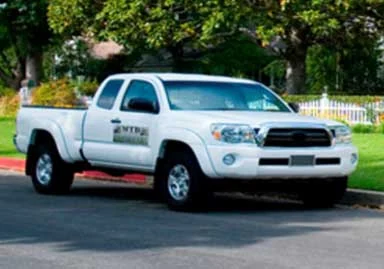
The strongest credibility asset on this page is the actual father-and-son ownership team. Use their real image and real MTB service-vehicle photography. Do not fabricate a Silver Spring office, technician residence, local job count or neighborhood customer story.
Silver Spring should function as the primary general city hub. It should link users into dedicated residential, commercial, termite/WDI, rodent, roach, bed-bug, mosquito and specialty pages while the Resource Hub and supporting pages link back into this survivor.
Silver Spring FAQs
Yes. MTB's current site identifies Silver Spring as a core service area and provides residential, commercial, termite, rodent, roach, bed-bug and other pest-control pages for Silver Spring. Call (301) 613-6570 with the property address to confirm coverage.
Cost depends on the pest, severity, property size, access, treatment method and whether the problem needs one-time service, follow-up or recurring protection. MTB advertises estimates, so pricing should be based on the actual property rather than a generic online number.
For termites, rodents, bed bugs, recurring cockroaches, commercial problems and situations where the source is unclear, inspection is especially important. Treatment should follow the evidence and property conditions.
Yes. MTB verifies termite inspection, treatment, monitoring, prevention and Wood Destroying Insect inspection services. For a real-estate transaction, mention that when scheduling so the appropriate inspection and reporting needs can be confirmed.
Yes. Rodent problems in attached and multifamily properties may involve shared walls, utility penetrations, basements, trash areas, neighboring units or exterior entry points. The inspection should consider the building, not just the room where activity was seen.
Yes. MTB's commercial program specifically covers restaurants and apartment communities. Roach control may require treatment plus sanitation, moisture, harborage, neighboring-unit, drain and common-area recommendations.
Preparation depends on the treatment method and extent of the infestation. Do not move belongings between rooms or discard furniture before receiving instructions because that can spread activity. Follow MTB's preparation guidance for the scheduled service.
No. Some defined pest problems may be handled with a one-time service. Recurring protection can make sense for persistent seasonal activity, multifamily or commercial properties, repeated entry pressure or properties with a history of infestation.
Professional products should be applied according to their labels and service instructions. MTB states that it uses EPA-aligned, family-conscious treatment methods. Follow the technician's preparation and re-entry instructions for the specific treatment.
Yes. MTB works with apartment communities, multifamily properties, property managers, restaurants, offices, retail, schools, warehouses, medical facilities and other commercial settings.
MTB's current residential page lists 20901, 20902, 20903, 20904, 20905, 20906 and 20910 as common Silver Spring ZIP codes served. The Silver Spring mailing area extends beyond the Census-designated place, so confirm coverage using the street address.
MTB advertises 24/7 emergency availability. Actual dispatch depends on the pest, location, technician availability and urgency. Call (301) 613-6570 to explain the situation and confirm the earliest available service.
Ready for help?
If termites, mice, rats, roaches, ants, bed bugs, mosquitoes or another verified pest problem is affecting your home, rental, restaurant, apartment community, office or commercial property, contact MTB Pest Control for an inspection and practical treatment plan.