General Pest Control
Not sure what is getting in? Start with MTB’s main services overview for common household and business pests, inspection options and next steps.

Pest control help, guides & local service
Use this hub to find the right MTB Pest Control service, understand common pest problems, compare inspection and treatment options, and reach the local page for your Maryland, Washington, DC or Virginia community.
A pest problem is rarely helped by a wall of nearly identical links. Start with the service or pest that best matches what you are seeing. Each resource below points to a stronger page with more specific guidance, while this hub keeps the wider MTB library organized and accessible.
Not sure what is getting in? Start with MTB’s main services overview for common household and business pests, inspection options and next steps.
For ants in the kitchen, rodents in the attic, roaches, spiders, termites or recurring seasonal activity around a home, use the residential resource first.
Businesses need documentation, prevention and service planning that respects customers, employees, inventory and operating hours.
Use the termite center for treatment information, inspections and real-estate Wood-Destroying Insect needs instead of treating every termite query as the same job.
Good residential pest control starts with identification. Ants, roaches, rodents, termites and occasional invaders behave differently, enter through different conditions and require different control strategies. An inspection helps separate a one-time intruder from an active infestation or a condition that is likely to keep producing problems.
For a localized issue, a one-time service may be enough. Recurring activity, seasonal pressure, multi-unit housing, structural gaps, moisture problems or repeated food and shelter sources can make a maintenance plan more practical. The right choice should come from what the technician finds, not from forcing every customer into the same plan.
Before service, note where you have seen activity, when it is most noticeable and any recent changes around the property. Photos, droppings, damaged materials, nesting areas or a clear description of where pests are appearing can shorten the diagnostic process. After service, follow the preparation and prevention instructions given for the specific treatment.
A pest sighting in a business can affect much more than one room. Restaurants, offices, apartment communities, warehouses, retail spaces and other commercial properties may need scheduled monitoring, sanitation recommendations, exclusion work and communication that fits operating hours and property responsibilities.
The first step is to identify the pest, the conditions supporting it and the areas at risk. From there, service can be prioritized around active problems while also addressing access points, food and water sources, storage conditions and recurring pressure. For multi-unit or managed properties, clear documentation helps owners, managers, maintenance teams and occupants understand what needs to happen next.
Use MTB’s commercial page when the issue involves a business, facility or managed property. For termite concerns at a commercial building, use the termite resources below so inspection and structural pest needs stay connected to the correct intent.
MTB has accumulated a large termite library over time. The rebuild keeps the useful distinctions and stops the overlapping pages from competing simply because each uses a slightly different keyword phrase.
Start here for active termite concerns, warning signs, treatment approaches and ongoing protection questions.
Use the inspection page when you need a property evaluated for evidence or conditions associated with termites and other wood-destroying insects.
Buying, selling or refinancing may create a different documentation need than a homeowner simply asking, “Do I have termites?” Keep that intent separate.
Commercial buildings may have different access, scheduling, documentation and risk-management needs than a typical single-family home.
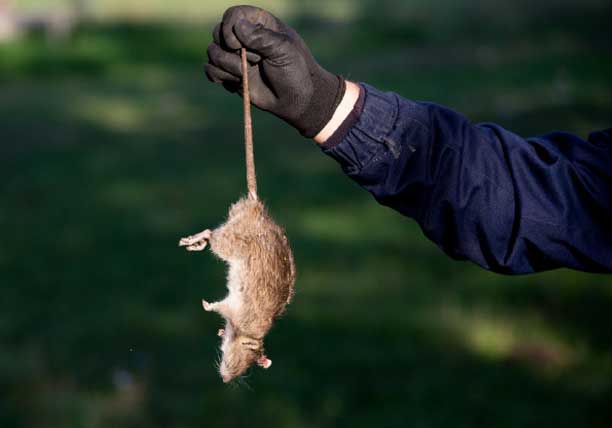
Mice and rats can be noticed through droppings, scratching sounds, damaged packaging, gnaw marks, nesting material or direct sightings. The visible evidence matters, but so do the routes that make repeat entry possible. Gaps around utilities, doors, foundations, rooflines, vents and attached structures can all become part of the inspection.
A useful rodent plan separates immediate control from longer-term prevention. That may include monitoring activity, reducing food and water access, correcting sanitation or storage issues and identifying exclusion opportunities. Commercial properties and multi-unit buildings can require broader coordination because activity may move between spaces.
If you are uncertain whether the problem is mice, rats or another animal, start with an inspection rather than choosing a service solely from a photograph on the internet. The resource index below preserves specific local rodent pages where they still have a legitimate purpose.
These are all common pest-control searches, but the service logic is very different. The clean architecture gives each major pest one strong route and uses local support pages only when they add genuinely distinct value.
Roach activity often requires close attention to harborage, food and moisture conditions as well as the locations where activity is concentrated.
Different ants can behave differently. The goal is to identify where activity is coming from and choose a control approach that fits the species and property.
Bed bugs require careful confirmation, preparation and a treatment plan designed around where people rest and where the insects can hide.
Outdoor mosquito pressure is influenced by breeding sites, standing water, vegetation and neighboring conditions. Treatment works best alongside source reduction.
The legacy Resource page includes bats, birds, squirrels, raccoons, snakes/reptiles, bees and other specialty topics across many communities. Those pages should not be deleted in bulk. First verify that the service is still offered, that the page has a distinct purpose and that Search Console or backlink data does not show equity worth protecting.
Where a specialty page is accurate and useful, it can remain in the lower Resource index and receive contextual links from the appropriate service or city page. Where several pages repeat the same service and city intent, choose one survivor. Where a page describes a service MTB no longer performs or a location outside the real service footprint, move it to manual review rather than quietly leaving an inaccurate promise live.
These established URLs are being rebuilt in place. They should receive prominent links here and then link back contextually to this Resource Hub, creating a clean two-way path between local intent and the deeper service library.
Flagship local pest-control page and primary connection point to residential, commercial and termite resources.
Silver Spring pest control →Existing URL preserved and broadened into the local service hub rather than replaced by another Bethesda permalink.
Bethesda pest control →Existing Rockville survivor rebuilt in place, with overlapping legacy “best/near me/removal” pages mapped later.
Rockville pest control →Flagship Gaithersburg page becomes the strongest general local destination instead of splitting equity across repetitive variants.
Gaithersburg pest control →General DC local hub tied to commercial, rodent, bed bug and termite resources without duplicating all of their copy.
Washington, DC pest control →MTB’s legacy library spans communities across Maryland, Washington, DC and Northern Virginia. The new Resource Hub treats location pages as a geographic library, not as an excuse to repeat “pest control near me” hundreds of times. Strong city survivors sit higher in the architecture. Narrow pest-plus-city pages remain lower in the index when their intent is distinct and their content is worth keeping.
Garrett Park is intentionally protected in this plan because existing ranking value has been identified. No Garrett Park consolidation should happen until the specific source page, query visibility, backlinks and destination are checked. The same evidence-first rule should be applied to any legacy URL that turns out to have meaningful organic traffic or links.
Online research is useful for learning warning signs, prevention basics and questions to ask a pest professional. It cannot confirm what is happening inside a specific wall, crawlspace, attic or commercial facility. For technical safety, pesticide use and pest-identification guidance, this hub also points visitors to public authorities rather than pretending MTB must be the only source on the internet.
For MTB-specific questions about preparation, service timing, inspections or what to expect, use the company FAQ. If you already know the pest or city involved, the organized links on this page will take you directly to the relevant service or local resource.
MTB Pest Control is led by Milton Brown Jr. and Milton Brown III, with more than 50 years of combined experience across residential and commercial pest control. The company serves customers across Maryland, Washington, DC and Virginia and presents itself as licensed and insured for the markets it serves.
The practical advantage of that experience is not another slogan. It is the ability to look at the building, pest pressure and customer’s priorities before recommending a path. Some problems need a targeted one-time response. Others need inspection, follow-up, monitoring or an ongoing program. This Resource Hub is designed around that same idea: get visitors to the correct answer quickly, instead of making every page compete for every keyword.

This lower index is intentionally expandable. Core services and flagship locations receive the strongest placement above. Supporting pest-and-location pages remain discoverable here while duplicate, redirected or questionable legacy URLs are held out for controlled review.
If you know the pest, use the resources above. If you do not, a description of the activity and where it is happening is enough to start the conversation.
